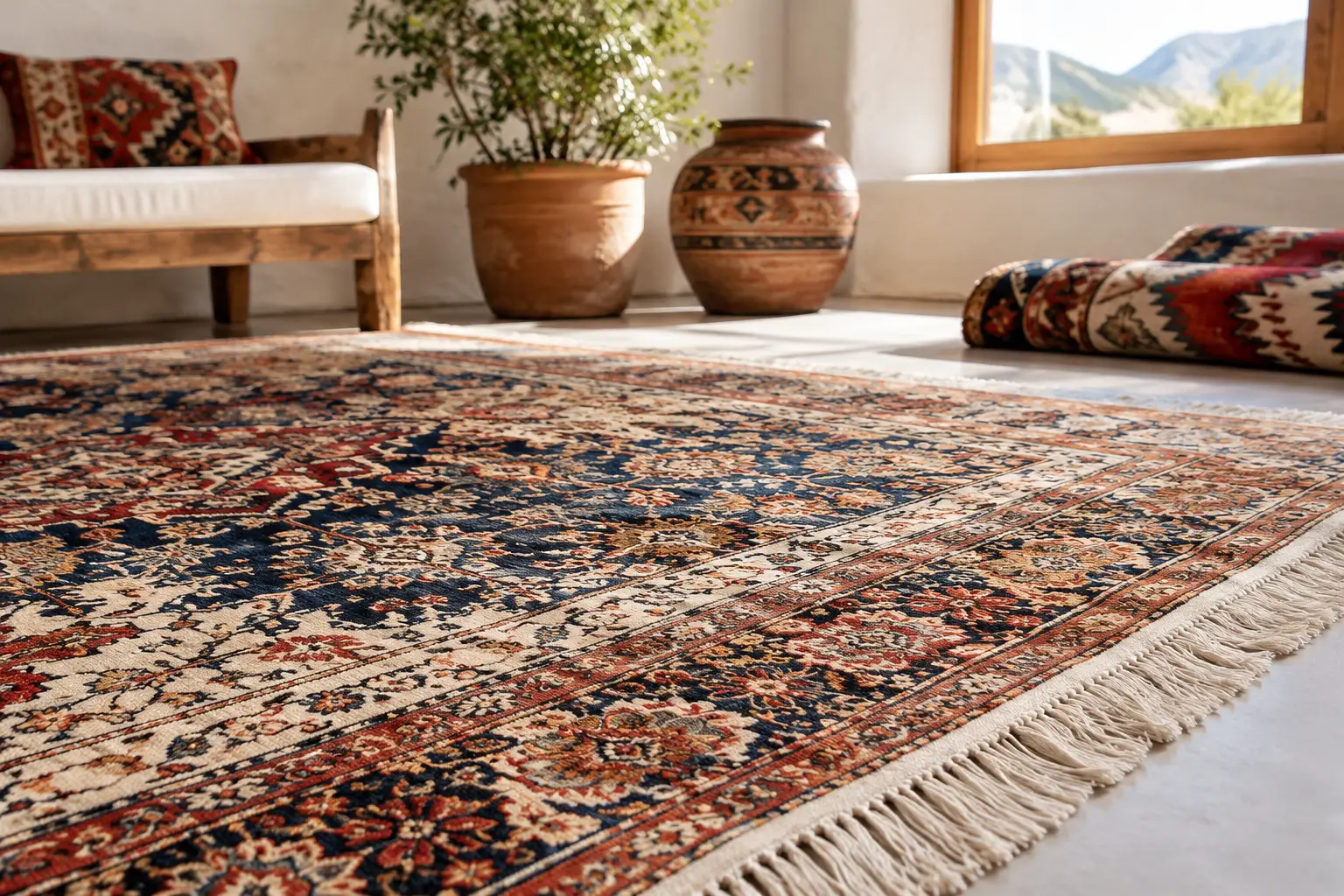
A rug needs washing when dirt, oils, residue, or odor have moved below the surface where routine vacuuming cannot reach them. The clearest signs rugs need washing are often subtle at first: a dull look, a stiff feel, or a room that smells slightly off when the windows are closed.
Area rugs collect far more than what shows on the pile. Dust settles through the fibers, grit works down toward the foundation, and everyday foot traffic brings in soil, skin oils, cooking residue, and pet-related contamination. For a handmade wool, silk, Navajo, Persian, or antique rug, recognizing the change early can make a meaningful difference in how it wears over time.
Does your rug look dull even after vacuuming?
A rug that looks gray, flat, or lifeless after a careful vacuuming may have embedded soil rather than surface dust. Fine grit acts much like sandpaper underfoot. As people walk across the rug, those particles rub against the fibers and can gradually wear down the pile.
Look closely at a section that is usually covered by furniture, then compare it with the traffic lanes. If the exposed area appears noticeably darker or less clear in color, soil may be masking the rug’s original tones. This is especially common in wool rugs, where natural oils can hold onto airborne dust and kitchen residue.
Vacuuming is still worthwhile. It removes loose debris before it gets pushed deeper into the rug. But it cannot fully remove compacted dirt from the foundation, particularly in dense hand-knotted rugs.
Does the rug feel crunchy, stiff, or heavy?
A clean rug should have the feel appropriate to its construction: wool often feels resilient, cotton flatweaves feel supple, and silk may feel smooth and fine. If a rug feels crunchy underfoot, unusually stiff at the edges, or heavier than you remember, trapped soil or dried spills may be part of the problem.
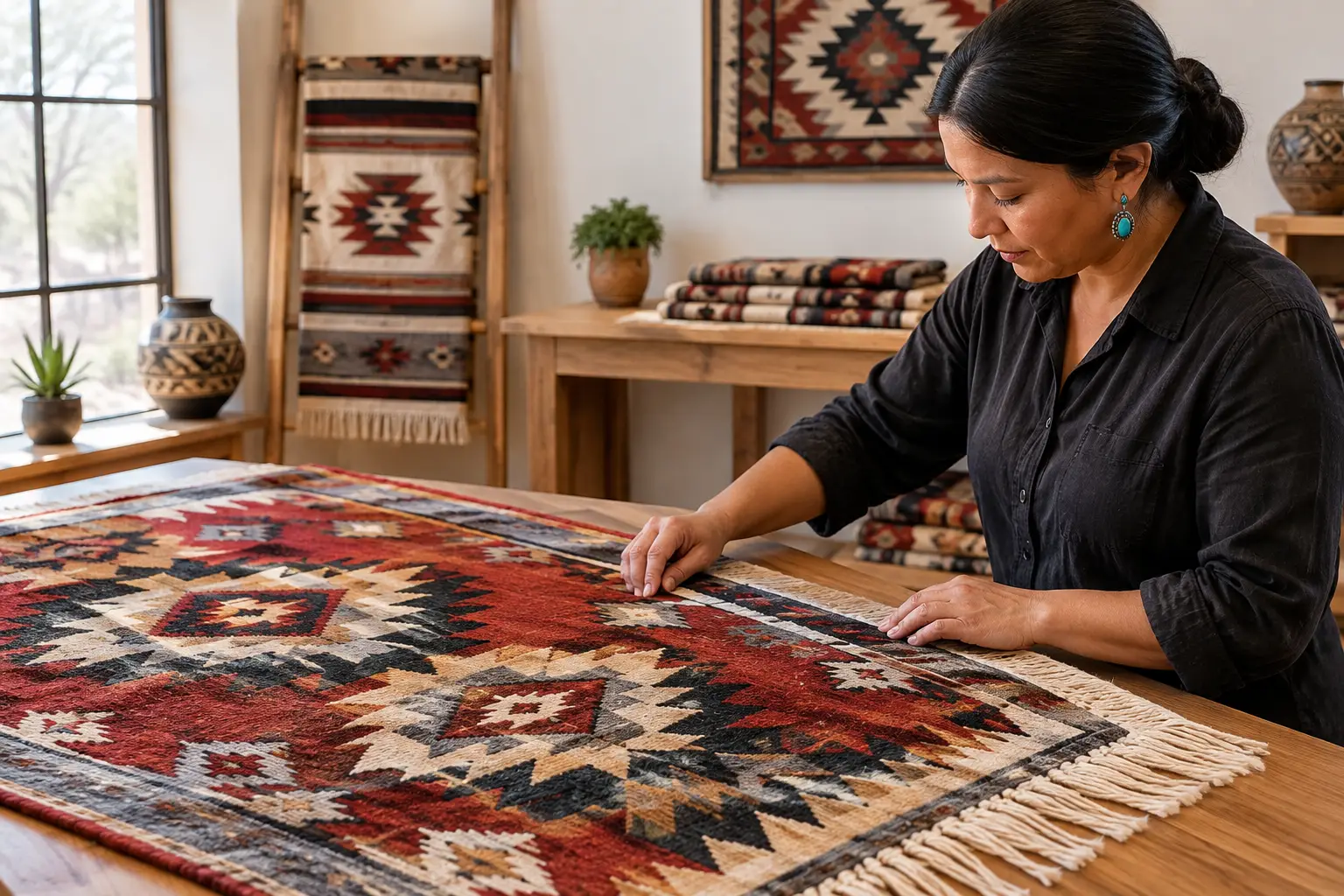
Turn up a corner and gently feel the back. A gritty backing is a practical sign that dust and soil have traveled through the pile. Do not beat a fragile rug outdoors or shake a large rug over a railing. Antique pieces, rugs with weak fringe, and Navajo or Southwest textiles can be harmed by rough handling.
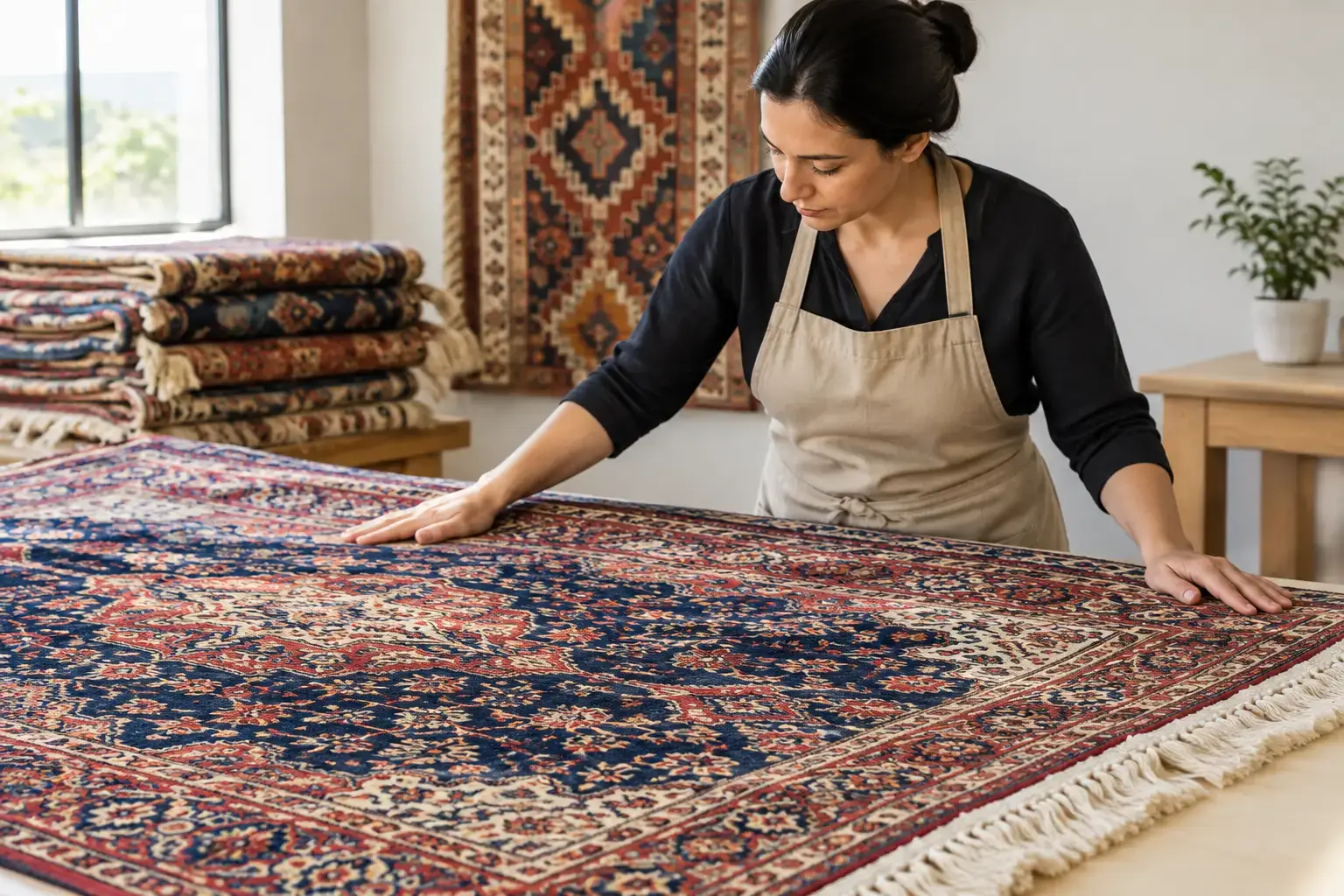
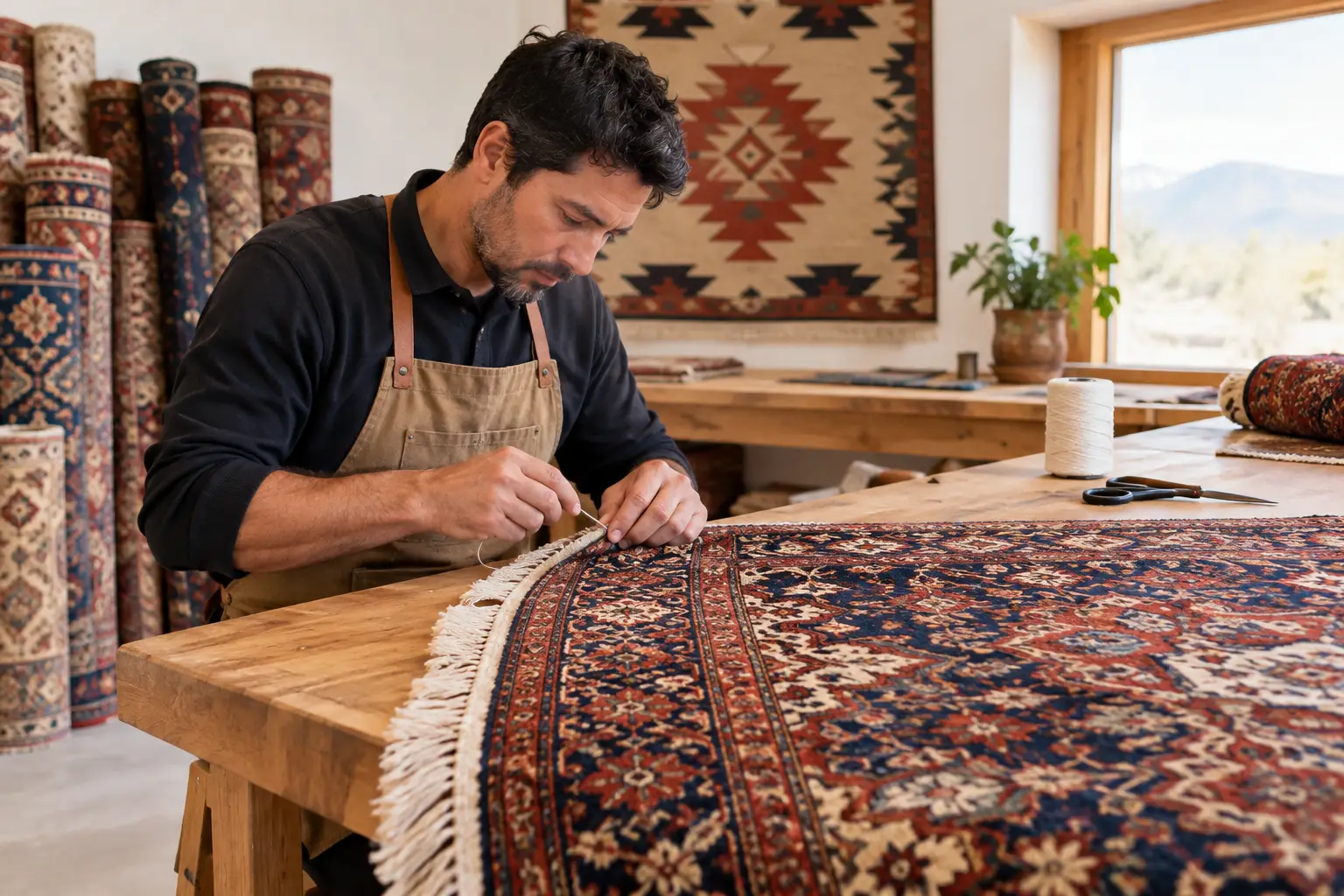
In a proper in-plant process, a rug can be inspected, dye-tested, dusted, washed using methods suited to its fibers, and dried in a climate-controlled room. That sequence addresses soil beneath the pile, not just what is visible on top.
Is there an odor that returns after the room airs out?
A rug can smell clean immediately after a room is aired out, then develop a stale, musty, or animal-related odor again when doors and windows are closed. That usually means the source is in the fibers, backing, or foundation rather than simply in the air.
Pet urine is a frequent cause. It can travel well beyond the spot visible on the surface and may become more noticeable during warm weather or periods of humidity. Old spills, food residue, and moisture from potted plants can create similar concerns. A rug that has been stored in a garage, shed, or damp area may also retain odors and attract moth activity.
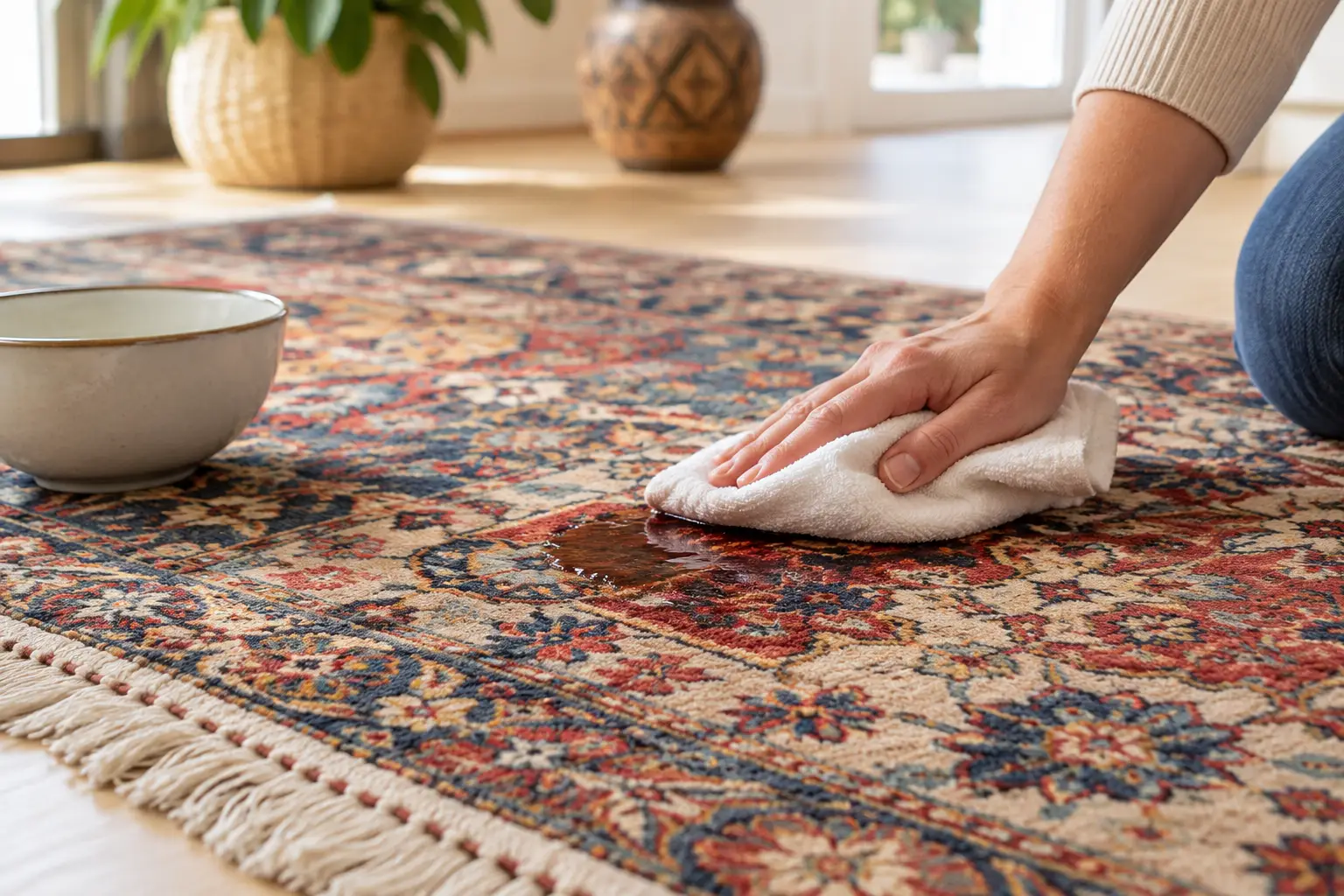
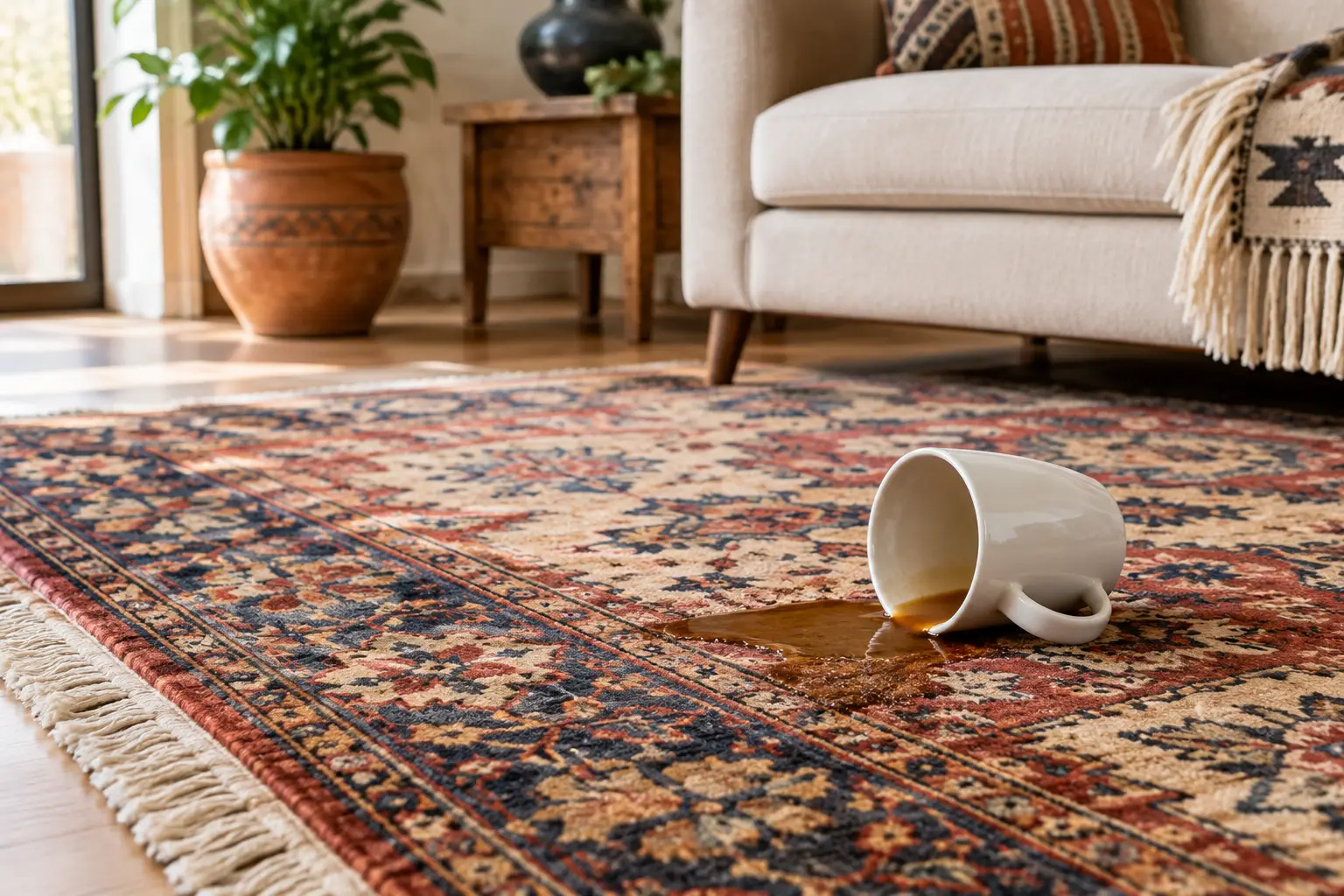
Home spot cleaning can help with a fresh spill if you blot promptly with clean white towels and avoid rubbing. It is not a reliable answer for urine contamination, recurring odors, or an unknown stain in a valuable textile. Adding store-bought odor products may leave residue, spread the affected area, or complicate later professional treatment.
Are the colors changing in certain areas?
Dirt does not always make a rug look darker. On pale wool, ivory fringe, silk, and viscose, soil can make colors look yellowed or shadowy. In darker rugs, it may mute the pattern and make reds, blues, and browns appear less distinct.
There is a trade-off here: not every color change is soil. Sun exposure can fade dyes, and moisture-related dye migration can leave colors blurred or uneven. Both need careful evaluation before cleaning. A rug specialist should inspect the construction and test dyes before deciding how to wash it. This is particularly important for handmade Oriental and Persian rugs, antique rugs, and textiles with unstable natural or older dyes.
If you notice a new light or dark patch, take a few photos in natural light before attempting any treatment. Photos can help document the change and make it easier to discuss the next step with a professional.
Do the fringe and edges look dirty or worn?
Fringe is not merely decoration on many handmade rugs. It is often part of the rug’s foundation, and damage there can eventually affect the structure of the whole piece. Darkened fringe, brittle ends, or edges that curl upward may point to accumulated soil, previous moisture, wear, or a need for repair.
Avoid trimming fringe to make it look neater. Once it is cut, the rug can lose structural support. Also avoid pulling loose threads, which can unravel more of the foundation than expected.
Cleaning and repair are often best considered together. Removing embedded soil can reveal whether an edge needs attention, while stabilizing weakened fringe or binding can help a rug lie safely after it returns home.
Have pets, children, or frequent guests changed how the rug is used?
A rug in a formal room may go years between professional cleanings, depending on its fiber, exposure, and condition. A rug at the front door, under a dining table, or in a home with pets and children usually needs closer attention. The schedule depends less on the calendar than on use.
Watch for these changes in a high-use rug:
- Vacuuming fills quickly with fine dust or pet hair.
- Traffic paths feel flatter than the rest of the pile.
- Food or drink spots keep appearing in the same area.
- Pet odor returns after routine cleaning around the rug.
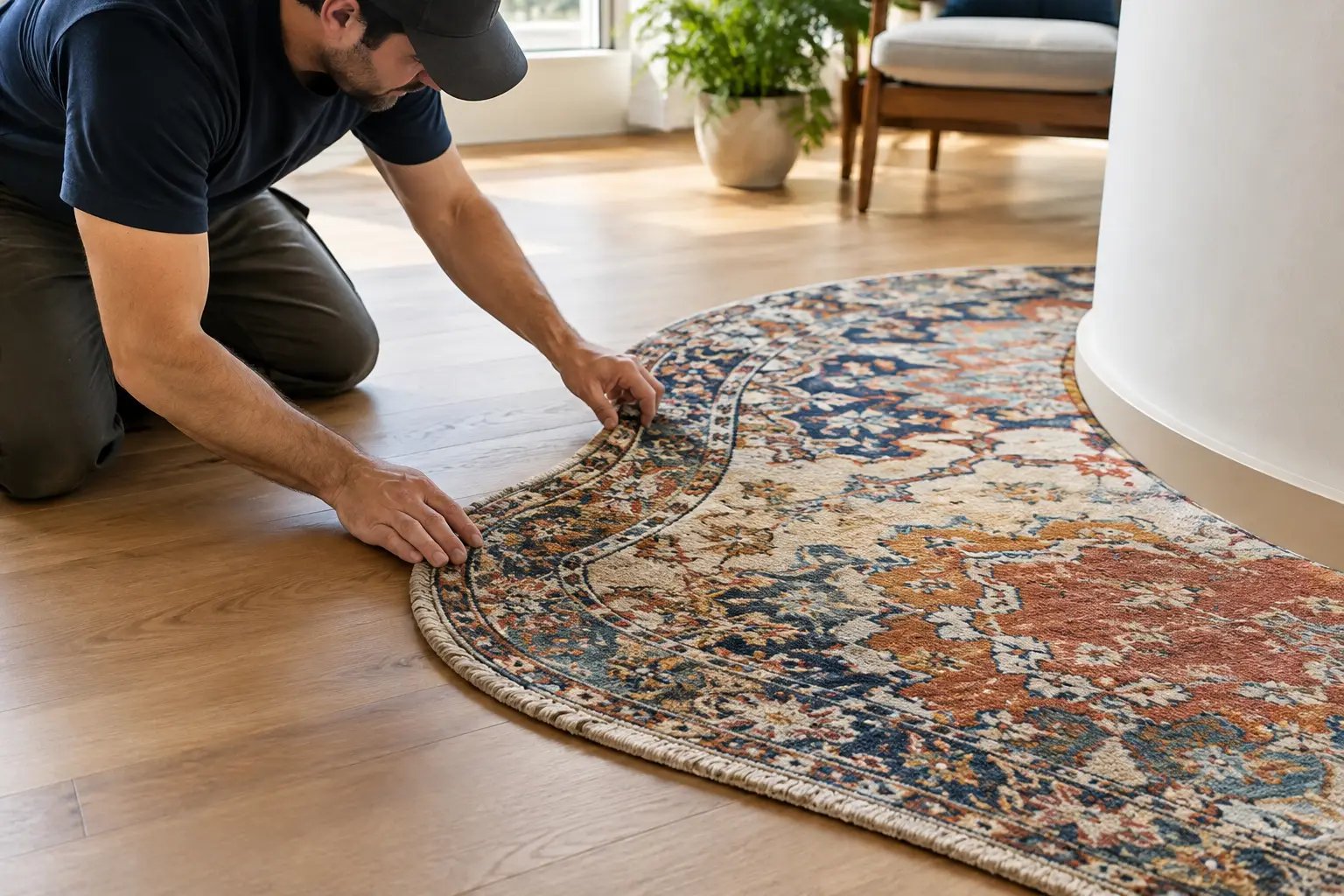
- The rug shifts, bunches, or shows faster wear because its pad is old or poorly sized.
A good rug pad can reduce slipping and cushion fibers against floor friction, but it cannot prevent soil from entering the rug. It should also be checked when the rug is picked up for cleaning, especially if it leaves residue on the floor or has become brittle.
Is it time to wash a rug before storing, moving, or selling it?
Before a rug goes into storage, is moved to a second home, or is offered for sale or donation, cleaning is often sensible. Soil, food traces, and pet residue can become more difficult to address after months of storage. Moths are also more interested in soiled natural fibers than in clean ones.
For inherited rugs, do not assume age means the rug should be discarded or aggressively cleaned. Start with an inspection. Construction, fiber type, condition, and any prior repairs all matter. A free verbal appraisal can help owners understand what they have, while a cleaning and repair assessment can clarify what care is appropriate.
What should you do when you notice these signs rugs need washing?
First, stop adding products. Blot fresh liquid spills, keep pets away from the area if possible, and avoid heat, bleach, harsh cleaners, and rental machines. Heat can set some stains, while excess water may cause shrinkage, dye bleeding, or damage to cotton foundations.
Next, take smartphone photos of the full rug, the front and back where possible, and any stains, fringe, or damaged areas. Include a close-up and a wider view in good light. This gives a rug care professional useful information before the rug is handled.
For everyday rugs, professional washing can restore a cleaner feel and remove the soil vacuuming leaves behind. For heirlooms, handmade textiles, silk, viscose, and rugs with odor, stains, color concerns, or damage, specialist care is the safer choice. One World Rug Care cleans rugs in its Albuquerque shop using material-specific methods rather than treating every rug the same way.
Rug Care in Albuquerque and Northern New Mexico
When a rug looks tired, feels gritty, or carries an odor that will not leave, an early inspection is usually kinder to the fibers than waiting for visible wear.
Have a rug that needs care? One World Rug Care has been cleaning, repairing and protecting area rugs in Albuquerque since 2012. Email a few photos of your rug to admin@oneworldrugcare.com for a free estimate, call us at (505) 821-0302, or visit the shop at 7200 Jefferson St NE, Suite A, Monday to Saturday 9 to 5. Pickup and delivery is free in Albuquerque and Santa Fe on orders of $150 or more, and available in Taos, Durango, Pagosa Springs and Las Cruces.