Moth damage rug repair can often save a rug when the infestation is stopped early and the weakened areas are properly stabilized. Whether a repair is worthwhile depends on how deeply larvae have eaten into the pile, foundation, edges, and fringe.
The adult moth you see near a window is not the part of the problem that eats wool. Clothes moth larvae feed on animal fibers, especially wool, silk, hair, feathers, and the food residue or pet hair caught in a rug. A quiet guest room, a rug beneath furniture, or a rolled rug in a closet can give them the darkness and undisturbed time they need.
How do I know whether moths damaged my rug?
Moth damage rarely looks like one clean stain or a single tear. Look for irregular bare patches where wool pile has disappeared, thin spots that feel weak when you gently touch them, loose tufts, and small areas of web-like material. Damage often starts on the back of the rug or along edges hidden beneath a sofa, bed, or heavy cabinet.
Check the rug in good light, then turn back a corner and inspect the underside. Larvae may leave pale grains, tiny cases, or silk-like threads near the damaged wool. A rug can also have old moth damage from years ago, so finding a bare spot does not automatically mean there is an active infestation. Fresh loose fibers, larvae, webbing, or new damage spreading beyond an existing patch are stronger signs that the problem is current.
Some damage that appears to be moth-related has another cause. Vacuum wear can thin the pile in traffic lanes, pets can pull fibers loose, and a deteriorating backing on a tufted rug can create bald areas. Handmade rugs require especially close inspection because moths may eat through wool pile and into cotton, wool, or other foundation threads that hold the structure together.
What should I do when I find moth activity?
Move the rug away from other natural-fiber textiles as soon as practical. Avoid dragging it across other rugs or shaking it indoors, which can spread loose debris. If the rug is small enough to handle safely, roll it with the pile facing inward and keep it separate until it can be inspected.
Vacuuming the floor, baseboards, furniture crevices, and the area under the rug can remove hair, lint, and larvae from the room. Empty the vacuum outdoors right away. This is sensible housekeeping, but it is not a substitute for treating and inspecting the rug itself.
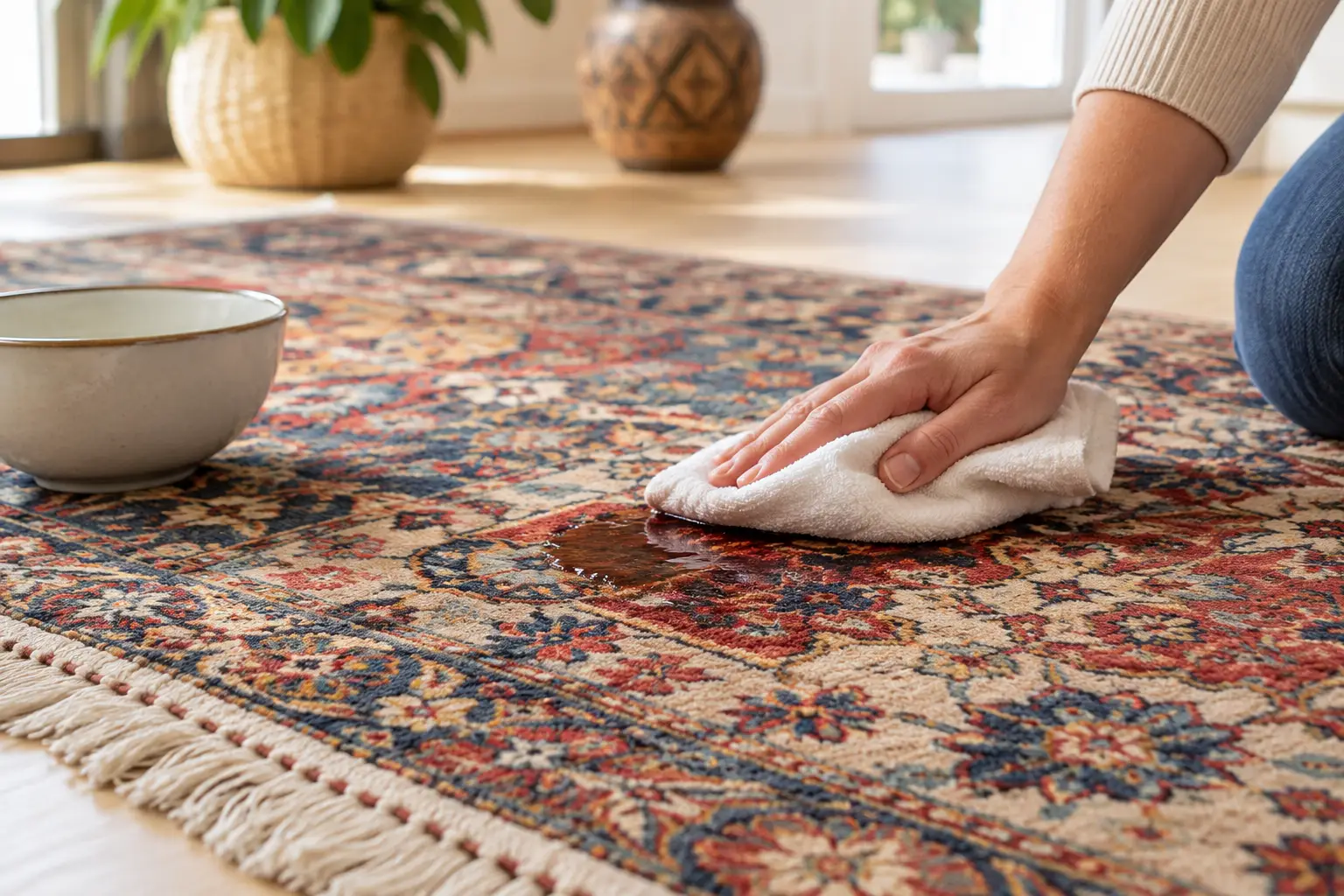
Do not spray household insecticide directly onto the rug. Sprays can leave residue in wool and silk, affect dyes, and do little for larvae tucked down in the base of a dense weave. Avoid home steam cleaning, soaking, or aggressive brushing as well. Water, heat, and friction can cause color bleeding, shrinkage, distortion, and further loss in a weakened area.
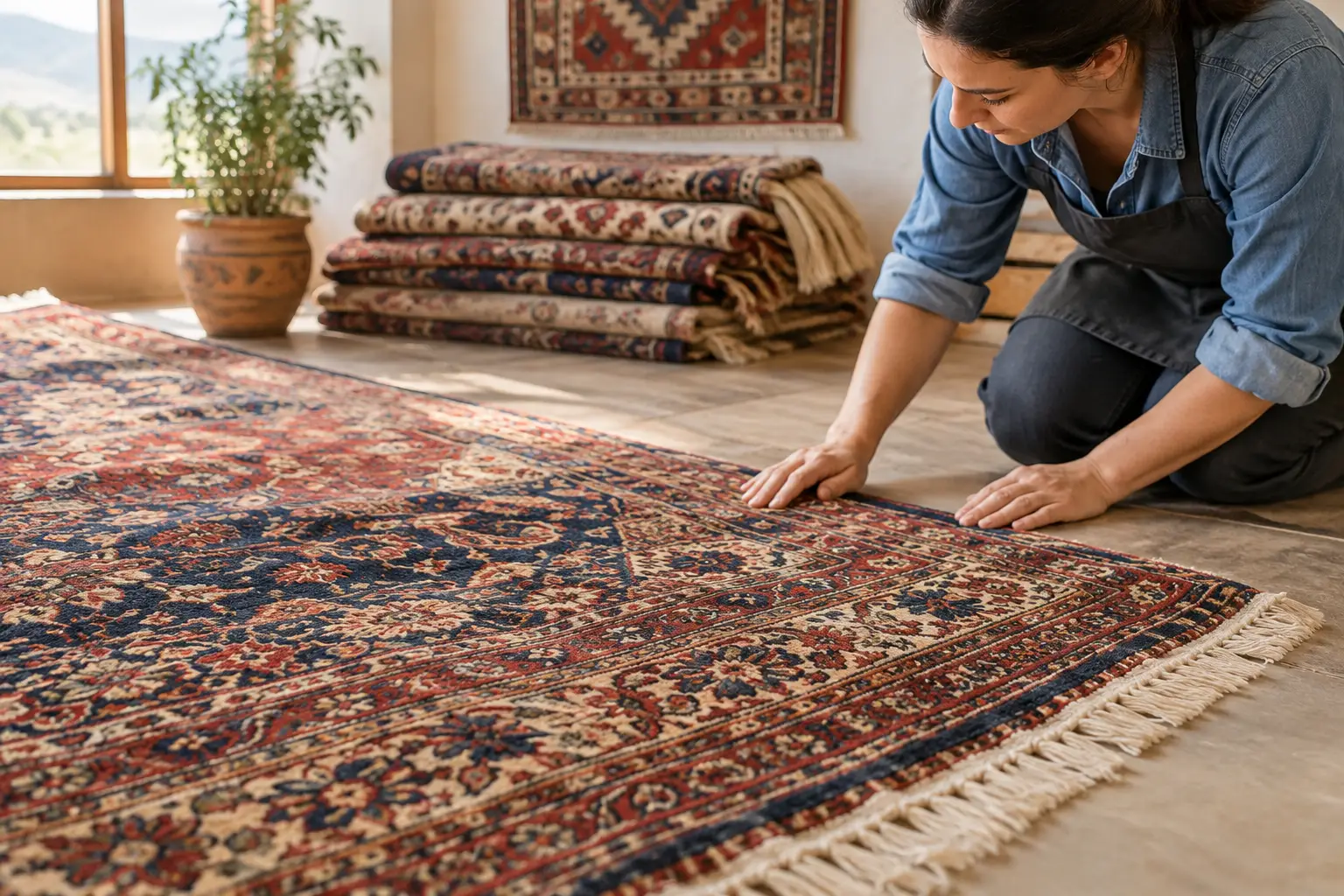
If the rug is antique, hand-knotted, Navajo, silk, viscose, or already showing holes and broken edges, professional handling is the safer choice. Send clear smartphone photos of the front, back, damaged area, and full rug for an initial estimate. Photos help identify obvious concerns, though a complete repair plan requires an in-person inspection.
What does moth damage rug repair involve?
Moth damage rug repair begins with determining whether the rug has active larvae and whether the damage is limited to pile loss or extends into the foundation. The rug should be inspected before repair work begins, because rebuilding a worn patch without addressing active pests leaves the rest of the rug vulnerable.
At a rug-care shop, careful cleaning removes embedded dust, hair, food particles, and debris that can attract larvae. One World Rug Care inspects and dye-tests each rug, dusts it, washes it by hand in cool water using a method appropriate to its materials, and dries it in a climate-controlled room. A clean rug gives the repair specialist a clearer view of the true extent of loss.
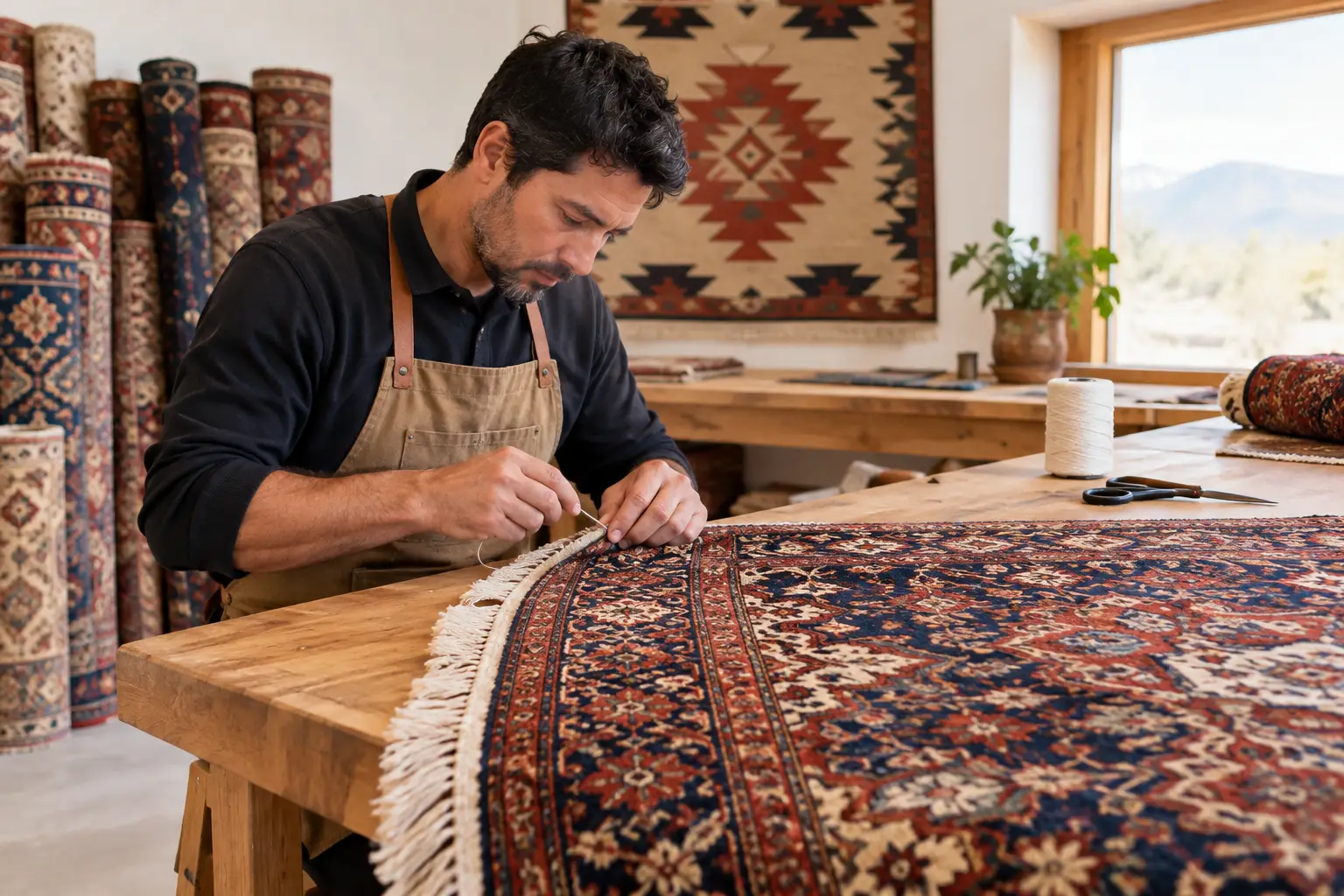
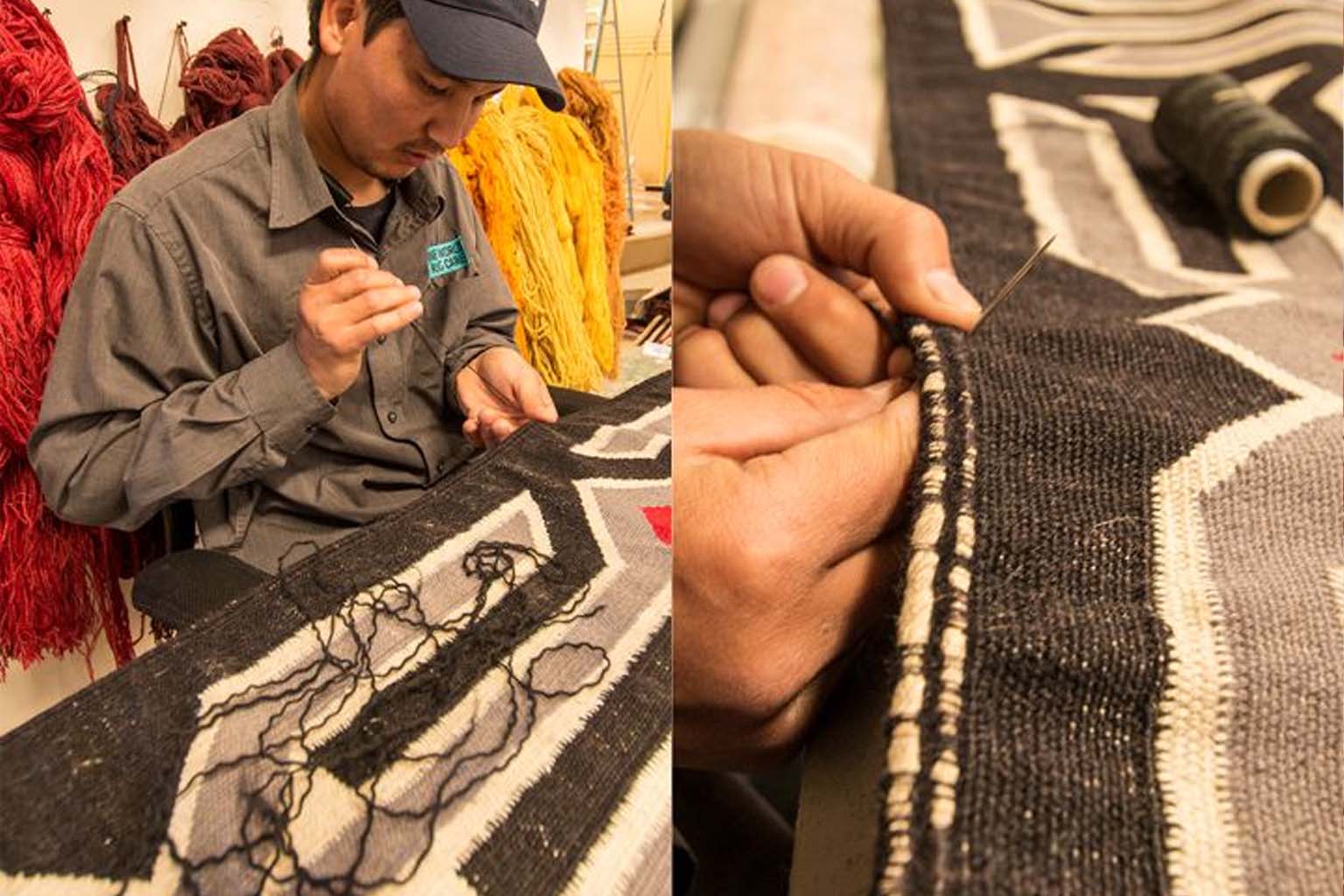
The repair itself varies with construction. On a hand-knotted wool rug, missing pile may be rebuilt with compatible wool and tied into the existing foundation when enough structure remains. If foundation threads are exposed or broken, they may need to be secured before pile restoration begins. On a flatweave, repair can involve reweaving damaged warp and weft threads rather than replacing a surface pile.
Edges and fringe deserve attention because they are structural, not merely decorative. A moth-eaten end can unravel a rug one row at a time. Repair may include stabilizing the end, rebuilding lost binding, or addressing fringe that has become weak or detached. The goal is to stop further unraveling while keeping the repaired area appropriate to the rug’s weave, color, age, and use.
A repair should not be expected to make every loss disappear. Fine, detailed rugs can sometimes be restored very closely, while a broad area of missing material may remain visible on close inspection. For a family heirloom, a handmade Persian or Oriental rug, or a valued Southwest textile, preserving the remaining original work and making the piece usable may matter more than making it look new.
Is my rug worth repairing after moth damage?
A rug does not need to be rare to deserve repair. Consider its construction, size, condition outside the damaged area, practical use, and personal value. Repairing a small exposed patch on an otherwise sound wool rug can prevent the problem from expanding. A rug with widespread foundation loss, severe dry rot, or damage across many sections may call for a more limited stabilization rather than full visual restoration.
For inherited rugs, it can help to separate sentimental value from market value. A free verbal appraisal can provide useful context, but it is only one part of the decision. Many families choose repair because a rug belongs in a home, reminds them of someone, or fits a room in a way no replacement will.
Silk and viscose rugs require additional caution. Their fibers and finishes can react differently than wool, and thin areas may be more fragile than they appear. Navajo and other flatwoven textiles should also be evaluated individually, since weave structure, dyes, age, and prior repairs all affect the appropriate treatment.
How can I prevent moths from returning?
Moths are more likely to feed where rugs are undisturbed and where natural fibers hold dust, pet hair, and food crumbs. Vacuum both sides of accessible rugs periodically, using a setting gentle enough not to pull fringe or loose fibers. For a large rug under furniture, inspect the hidden portions at least twice a year rather than assuming a clean-looking surface means the rug is safe.
Rotate rugs every six to 12 months when practical, especially in rooms with steady sun or traffic. Keep pet food and crumbs off wool rugs, and address pet accidents promptly because residue can attract insects and create separate odor or stain concerns. A properly sized rug pad helps reduce abrasion and can make it easier to inspect the underside.
Before storing a rug, have it professionally cleaned and treated if there has been moth activity. Store it clean, dry, and wrapped for protection rather than folded in a damp garage, shed, or basement. Periodic inspection is still wise, particularly for wool, silk, and other natural-fiber rugs.
When should I call a rug repair specialist?
Call when you see holes, bare areas that are getting larger, loose edges, broken fringe, or any signs of active larvae. A specialist can tell the difference between surface pile loss and structural damage, then recommend whether cleaning, moth treatment, repair, or stabilization makes sense.
Prompt attention matters because small losses are usually easier to contain than a weakened edge or foundation that continues to unravel. Careful repair is not about hiding a rug’s history. It is about giving well-made textiles a longer, more useful life in the home.
Rug Care in Albuquerque and Northern New Mexico
Have a rug that needs care? One World Rug Care has been cleaning, repairing and protecting area rugs in Albuquerque since 2012. Email a few photos of your rug to admin@oneworldrugcare.com for a free estimate, call us at (505) 821-0302, or visit the shop at 7200 Jefferson St NE, Suite A, Monday to Saturday 9 to 5. Pickup and delivery is free in Albuquerque and Santa Fe on orders of $150 or more, and available in Taos, Durango, Pagosa Springs and Las Cruces.