The most reliable way to prevent rug moths is to remove the dust, hair, and food residue their larvae feed around, inspect rugs regularly, and avoid leaving vulnerable textiles undisturbed for long periods. Wool rugs need particular attention, especially beneath furniture, along edges, and in quiet rooms where a rug may sit untouched for months.
What most people call rug moths are usually clothes moths whose larvae can feed on animal fibers. The adult moth is a warning sign, but it is the small, pale larvae that do the damage. They prefer dark, protected places and can go unnoticed until a fringe looks thin, a border has bare spots, or a section of pile appears shaved down.
Why are wool rugs attractive to moths?
Moth larvae feed on keratin, a protein found in wool, silk, fur, feathers, and other animal-based materials. A clean wool rug is less appealing than one carrying pet hair, skin flakes, crumbs, spilled drinks, or soil, but even a very fine, clean rug can be at risk if it stays undisturbed in a dark area.
Hand-knotted Persian and Oriental rugs, antique rugs, and Navajo and Southwest textiles deserve special caution because the fibers and construction may be irreplaceable. Silk and viscose rugs do not provide the same wool food source, but mixed-fiber rugs, wool foundations, and accumulated debris can still create conditions worth checking.
Moths do not need a visibly dirty rug. In Albuquerque and northern New Mexico, dry air may make a home feel inhospitable to pests, but closets, storage areas, shaded rooms, and the protected underside of a rug can still provide cover.
How do you prevent rug moths with regular care?
Vacuuming is the foundation of moth prevention. For a rug in an active family room, vacuum once a week. For a low-traffic room, every two to four weeks is often enough, provided the rug is inspected and moved periodically. Vacuum the floor beneath the rug at least every month or two, because hair and dust collect there where larvae can feed undisturbed.
Use suction only on handmade rugs whenever possible. A beater bar can pull fringe, catch loose yarns, and wear down older pile. Vacuum slowly in the direction of the pile, then make a separate pass around the edges. Do not run a vacuum head over fringe. If a rug is fragile, has raised embroidery, silk details, or brittle edges, gentle suction through a screen or careful professional handling is safer than aggressive vacuuming.
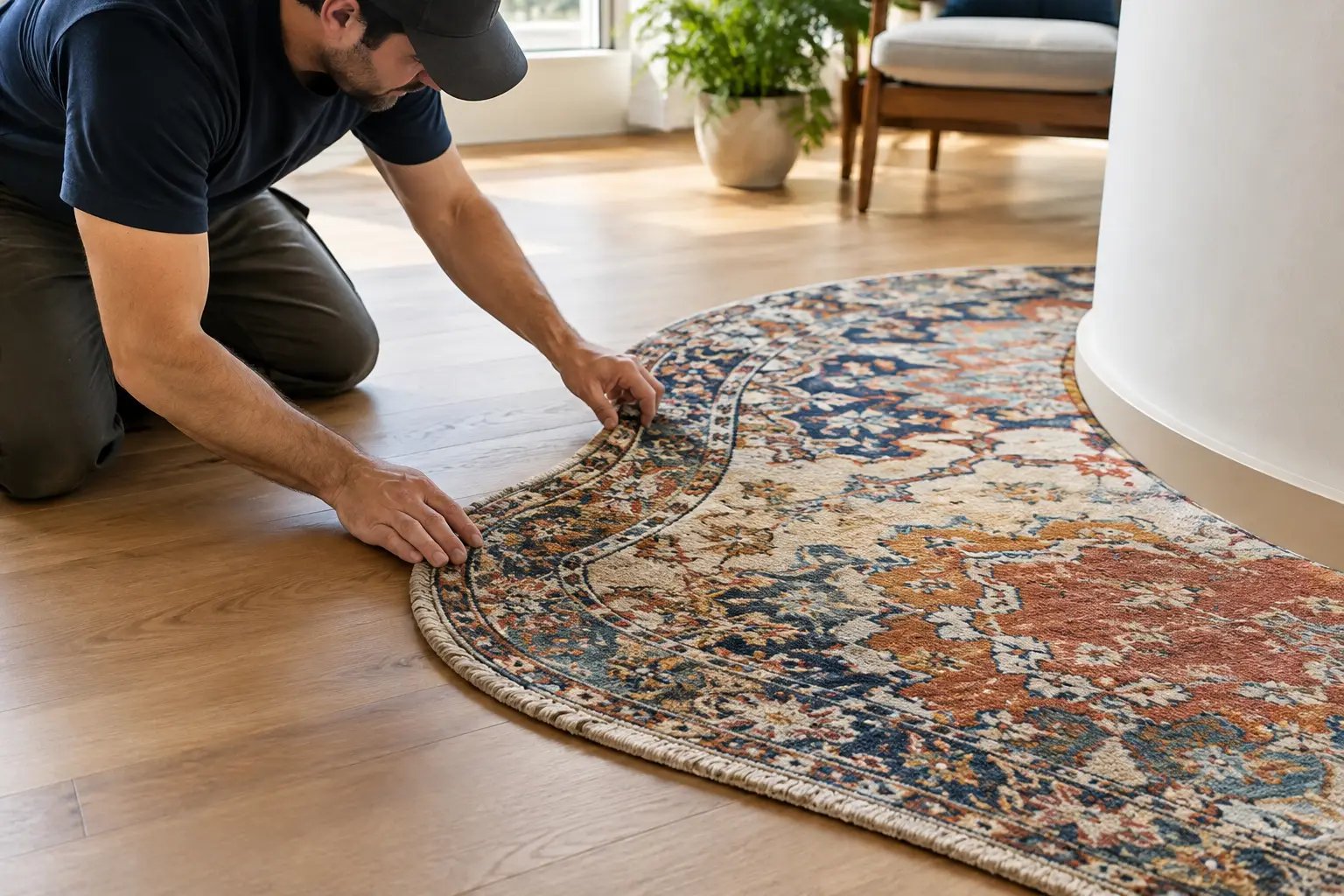
Moving furniture is part of prevention. Every three to six months, look under sofas, beds, and credenzas, and check the rug’s underside. Larvae favor places protected from foot traffic and light. Rotating a rug at the same time can help expose hidden areas and distribute wear more evenly.
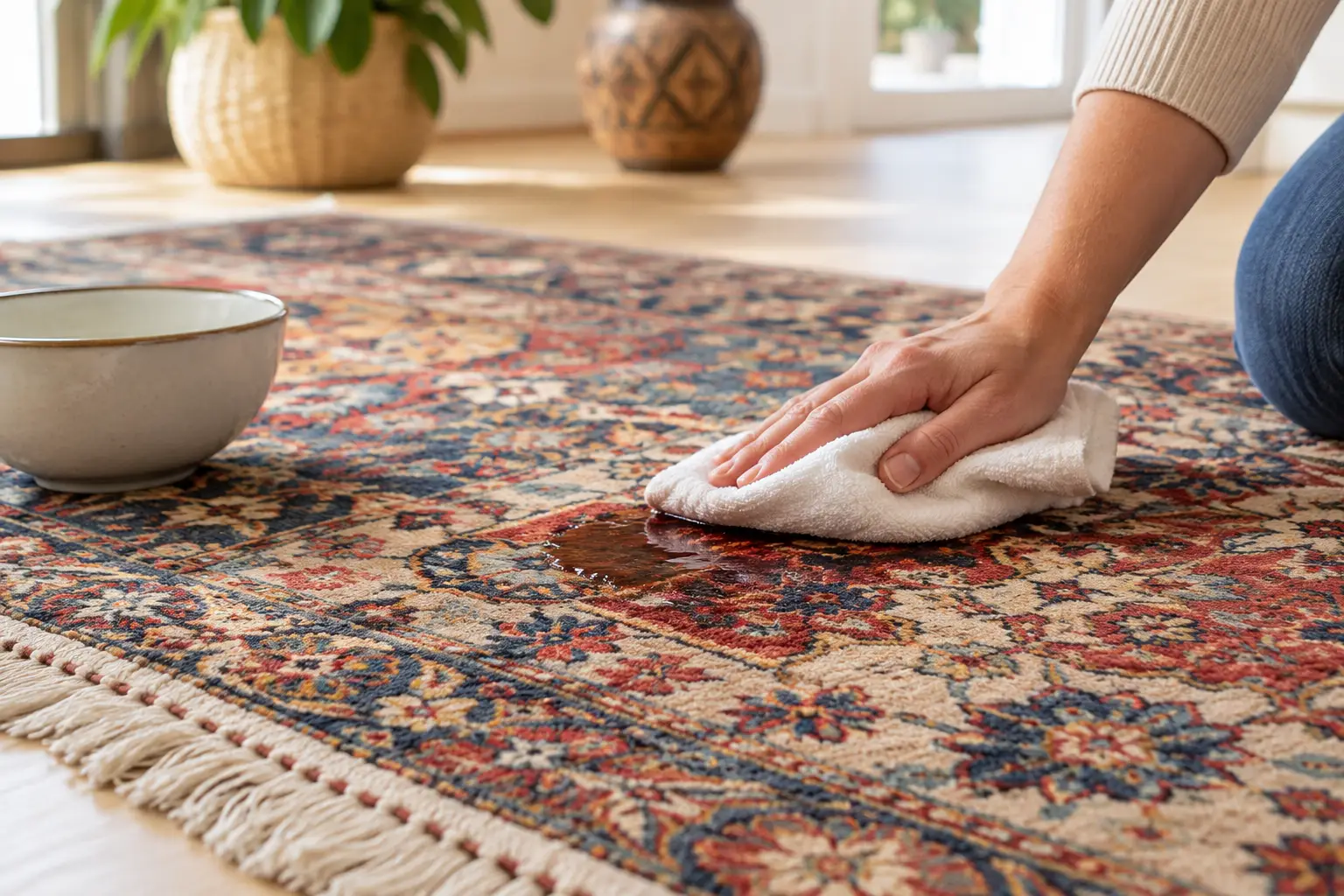
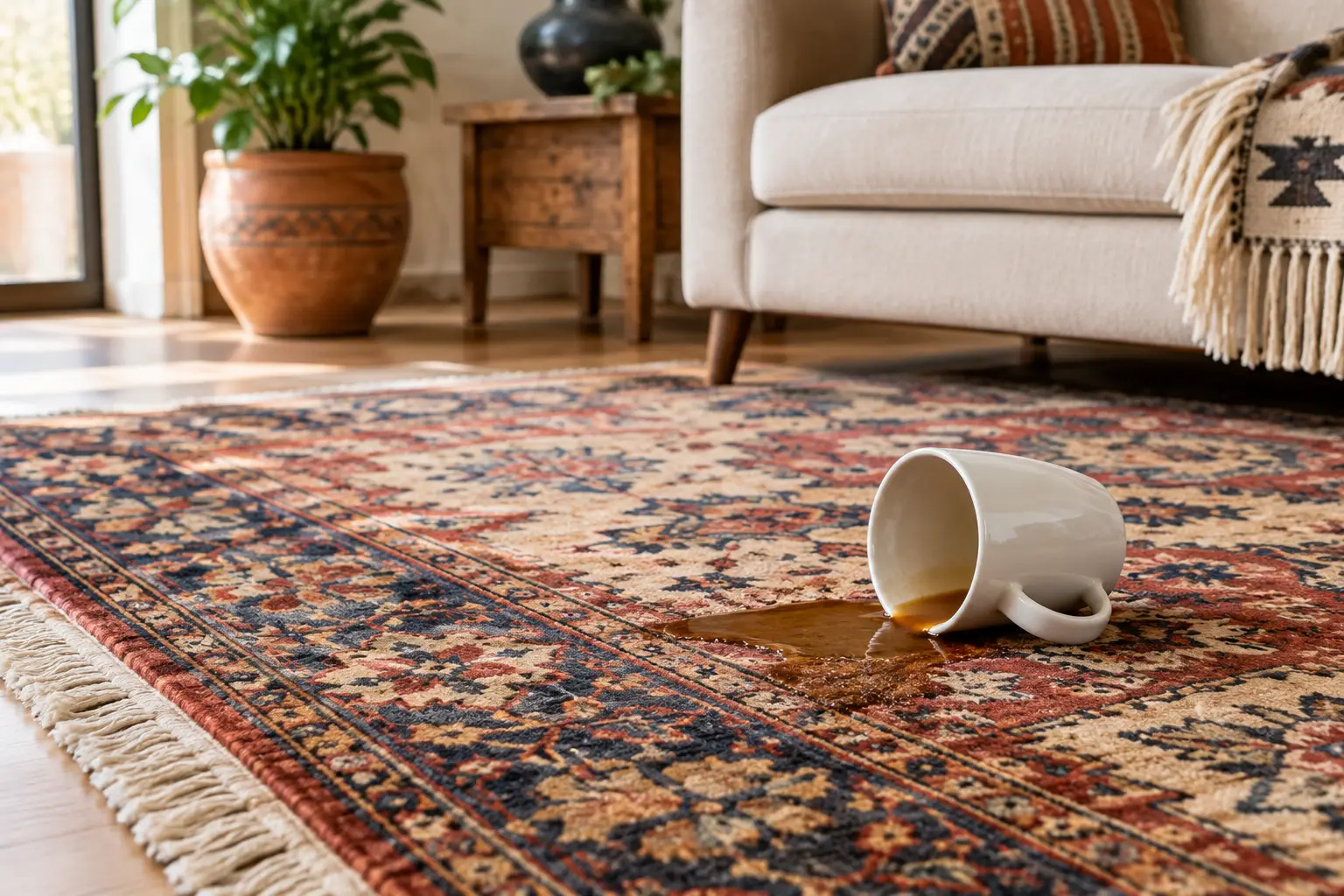
Pet owners should act quickly after an accident. Blot liquid with clean white towels, working from the outer edge toward the center. Do not soak the rug or apply household spotters without knowing the fiber and dyes. Urine residue, food spills, and pet hair can all make an area more attractive to insect activity, while excess moisture can create a separate set of problems.
What are the early signs of a rug moth problem?
Early detection can save a great deal of pile and foundation yarn. Look closely in natural light, especially around borders, fringe, under furniture, and on the rug’s back. Damage is often concentrated rather than evenly spread.
Watch for these four signs:
- Small bare patches or uneven, thinning pile in wool areas
- Fine webbing, tiny case-like tubes, or pale larvae near the rug surface
- Loose wool fibers and grit collecting beneath the rug
- Small moths appearing repeatedly in a closet, guest room, or textile storage area
A few adult moths do not automatically mean the rug is infested. They may have come from a closet, upholstery, a wool blanket, or another textile nearby. Still, repeated sightings call for a closer inspection of all animal-fiber items in that area. Pheromone traps can help monitor certain clothes moth species, but they catch adult males only. They do not remove eggs or larvae, and they are not a treatment for an established infestation.
Should you use cedar, mothballs, or home sprays?
Cedar can be pleasant in a closet, but cedar scent alone is not dependable protection for a rug. Its effect fades, and it does not remove larvae already feeding in a rug. Cedar blocks also cannot reach the protected interior of a rolled textile or the underside of a rug resting on a pad.
Avoid placing mothballs directly on or near rugs. Their odor can linger, their chemicals can be a concern in living spaces, and contact may create staining or residue problems. Aerosol insecticides, essential-oil sprays, and powders carry similar risks: they may leave residue, affect dyes, attract more soil, or fail to reach the active larvae. This is especially risky on antique wool, silk, viscose, and Navajo textiles.
If you suspect damage, do not shake the rug outdoors, scrub it, or apply a home remedy. That can spread eggs or larvae through the home, break weakened fibers, or set a stain while the underlying issue remains.
How should you store a rug so moths cannot reach it?
A rug going into storage should be professionally cleaned first. Dust, pet hair, food residue, and old spills are the conditions larvae look for. Rolling a rug dirty and placing it in a garage, basement, shed, or attic creates a long, undisturbed opportunity for damage.
Roll the rug rather than folding it, with the pile facing inward where practical, and keep it elevated in a clean, dry, climate-controlled area. Avoid storing it directly on concrete or against an exterior wall. Check stored rugs every 60 to 90 days instead of assuming a wrapped roll is protected forever.
A tightly wrapped rug can keep out household dust, but wrapping is not a substitute for cleaning and inspection. Before moving or storing a valuable handmade rug, take photos of the front, back, edges, and fringe. Those photos make it easier to spot a new change later.
When does a rug need professional moth treatment?
Professional care is appropriate when you see active larvae, webbing, pile loss, repeated adult moth activity, or an unexplained bare area in a wool rug. It is also the sensible choice for inherited rugs, antique pieces, finely woven Oriental rugs, Navajo and Southwest textiles, and any rug with silk or unstable dyes.
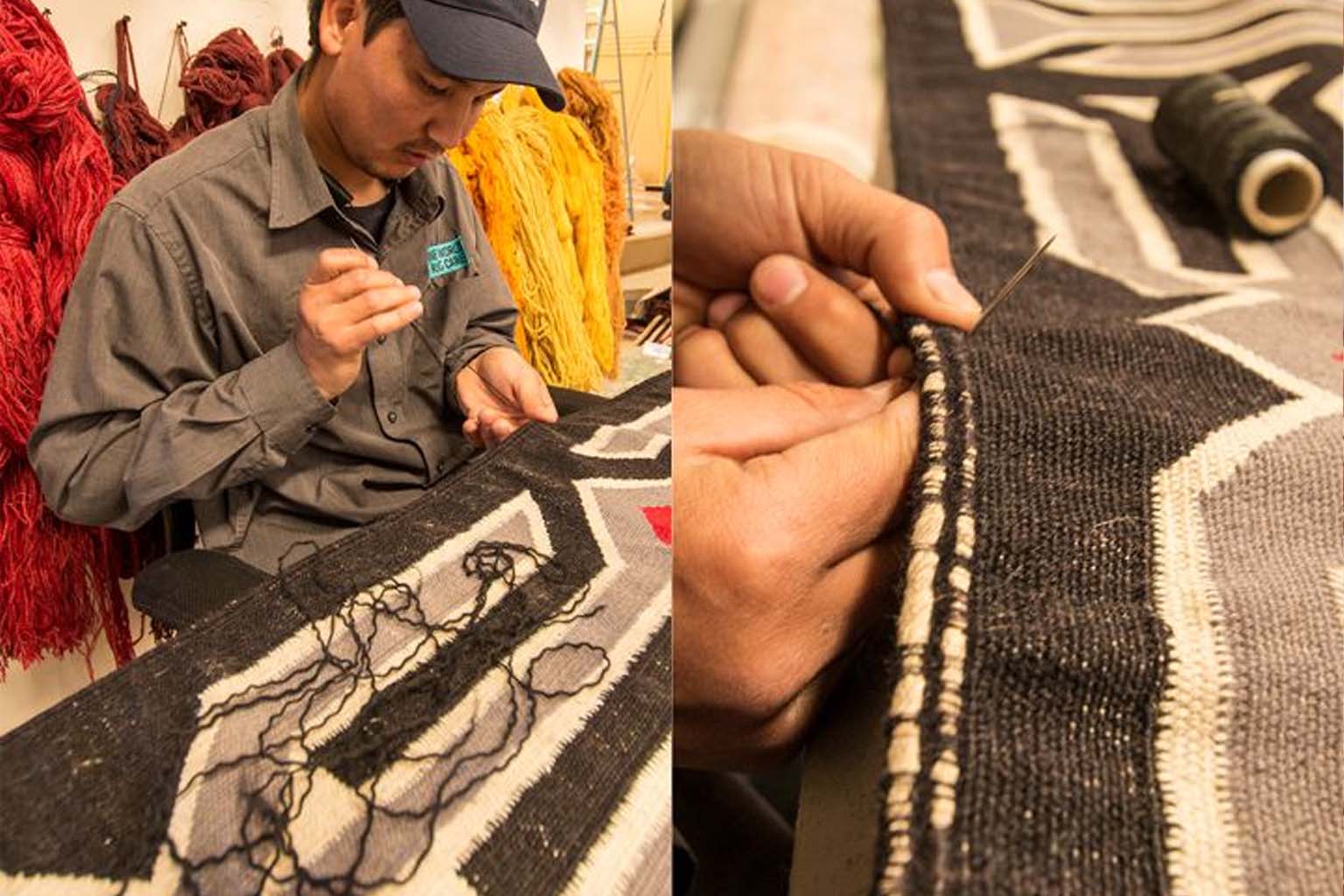
A specialist can inspect both sides, assess whether the loss is insect damage or ordinary wear, and treat the rug without treating every fiber as if it were machine-made carpet. At One World Rug Care, rugs are cleaned in the shop after inspection and dye testing, then dusted and washed with material-specific methods before climate-controlled drying. If moth damage has reached the foundation, fringe, or edges, repair may be needed after treatment to stabilize the rug and prevent further unraveling.
A protective treatment can help a cleaned rug resist future soil and spills, but it is not a replacement for regular vacuuming, inspection, and prompt care after pet accidents. Prevention works best as a routine, not as a single product or one annual task.
Small checks made every few weeks are far easier on a rug than discovering a season’s worth of damage under a sofa. Give wool rugs light, movement, and regular attention, and treat an unfamiliar bare patch as a reason to look closer.
Rug Care in Albuquerque and Northern New Mexico
Have a rug that needs care? One World Rug Care has been cleaning, repairing and protecting area rugs in Albuquerque since 2012. Email a few photos of your rug to admin@oneworldrugcare.com for a free estimate, call us at (505) 821-0302, or visit the shop at 7200 Jefferson St NE, Suite A, Monday to Saturday 9 to 5. Pickup and delivery is free in Albuquerque and Santa Fe on orders of $150 or more, and available in Taos, Durango, Pagosa Springs and Las Cruces.