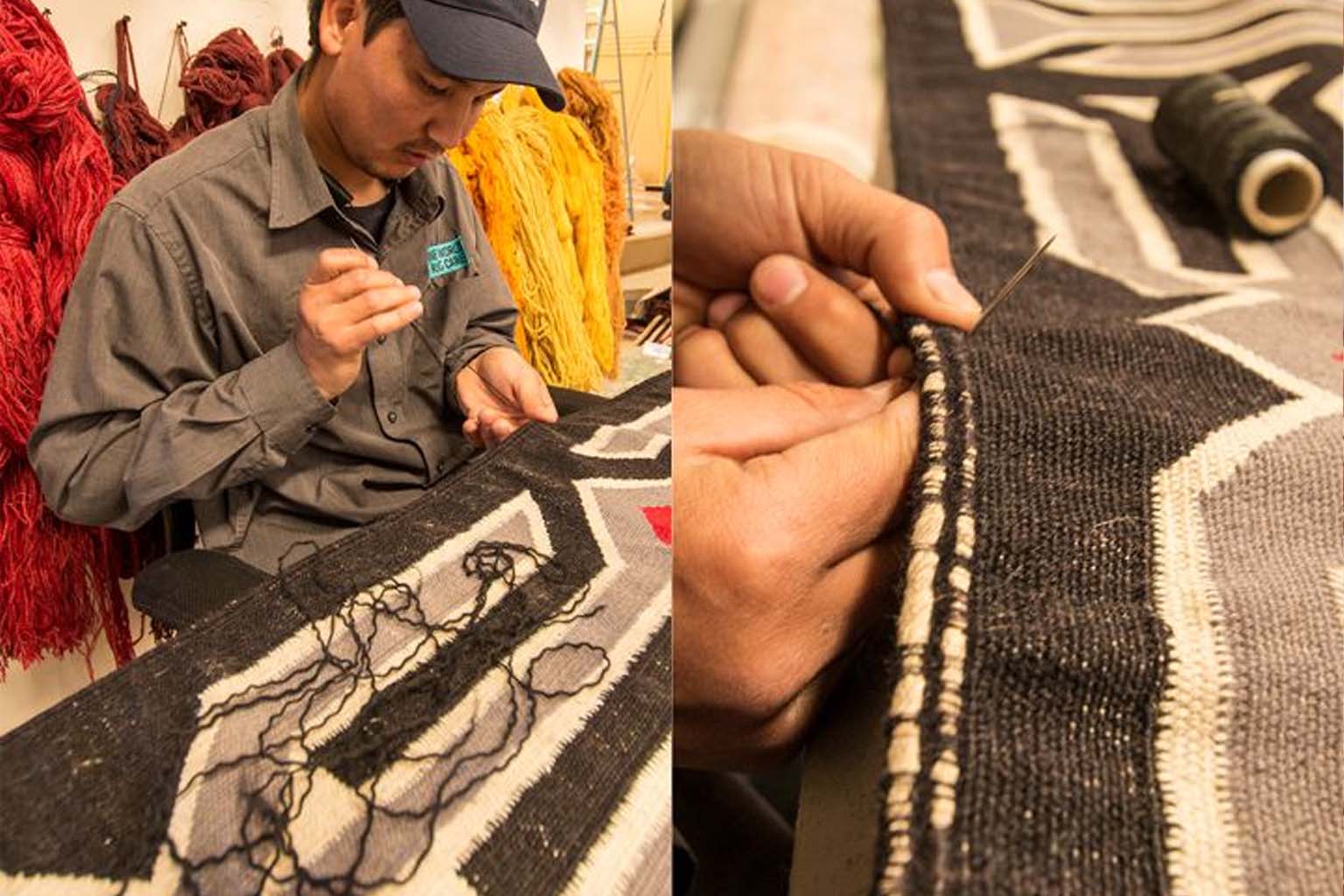
Yes, antique rugs can be washed, but they should not be treated like ordinary household rugs. Whether an antique rug can be washed safely depends on its fiber, dye stability, construction, existing damage, and the type of soil or stain involved.
A proper wash can remove the fine dust, grit, oils, and residues that slowly wear down an older rug. The wrong wash can cause colors to run, wool to felt, cotton foundations to shrink, or fragile fringes and edges to break apart. That is why a handmade Persian, Oriental, Navajo, or Southwest textile deserves an individual assessment before water touches it.
Can antique rugs be washed safely?
Often, yes. Many antique wool rugs were made to be washed, and careful washing is part of long-term textile care. Wool has natural resilience, but an antique rug may have become delicate through age, sun exposure, moth activity, previous cleaning, or years of embedded soil.
The question is not simply whether water is safe. It is whether the rug’s dyes, fibers, and foundation can tolerate washing, how much moisture is appropriate, and how it needs to be dried afterward. A rug with stable dyes and sound construction may respond beautifully to a controlled hand wash. Another rug of similar age may need a more limited method because its colors are fugitive or its foundation is weak.
Silk, viscose, and rugs with cotton foundations require particular care. Silk can lose strength when wet and may show water marks. Viscose can brown, stiffen, and distort easily. Cotton can shrink, which may pull a handmade rug out of square. Even durable wool can be damaged by hot water, aggressive brushing, harsh detergents, or slow drying.
What makes an antique rug risky to wash?
Age alone does not decide whether a rug is washable. A well-kept 100-year-old wool rug can sometimes be safer to clean than a much newer rug with unstable dyes or hidden pet contamination. Inspection reveals the real condition.
Dyes and color bleeding
Older handmade rugs may use dyes that react differently to moisture than modern synthetic dyes. Reds, deep blues, blacks, and some vegetable-dyed colors can be especially unpredictable. Before cleaning, dyes should be tested in more than one area, including darker borders and saturated design details.
Color bleeding is not always obvious at first. It can occur when a rug is wet for too long, when the water is too warm, or when a cleaner uses the wrong solution. Once colors migrate into a cream field or pale fringe, correction may be possible in some cases, but it is never a problem worth creating through a casual home wash.
Worn structure and prior repairs
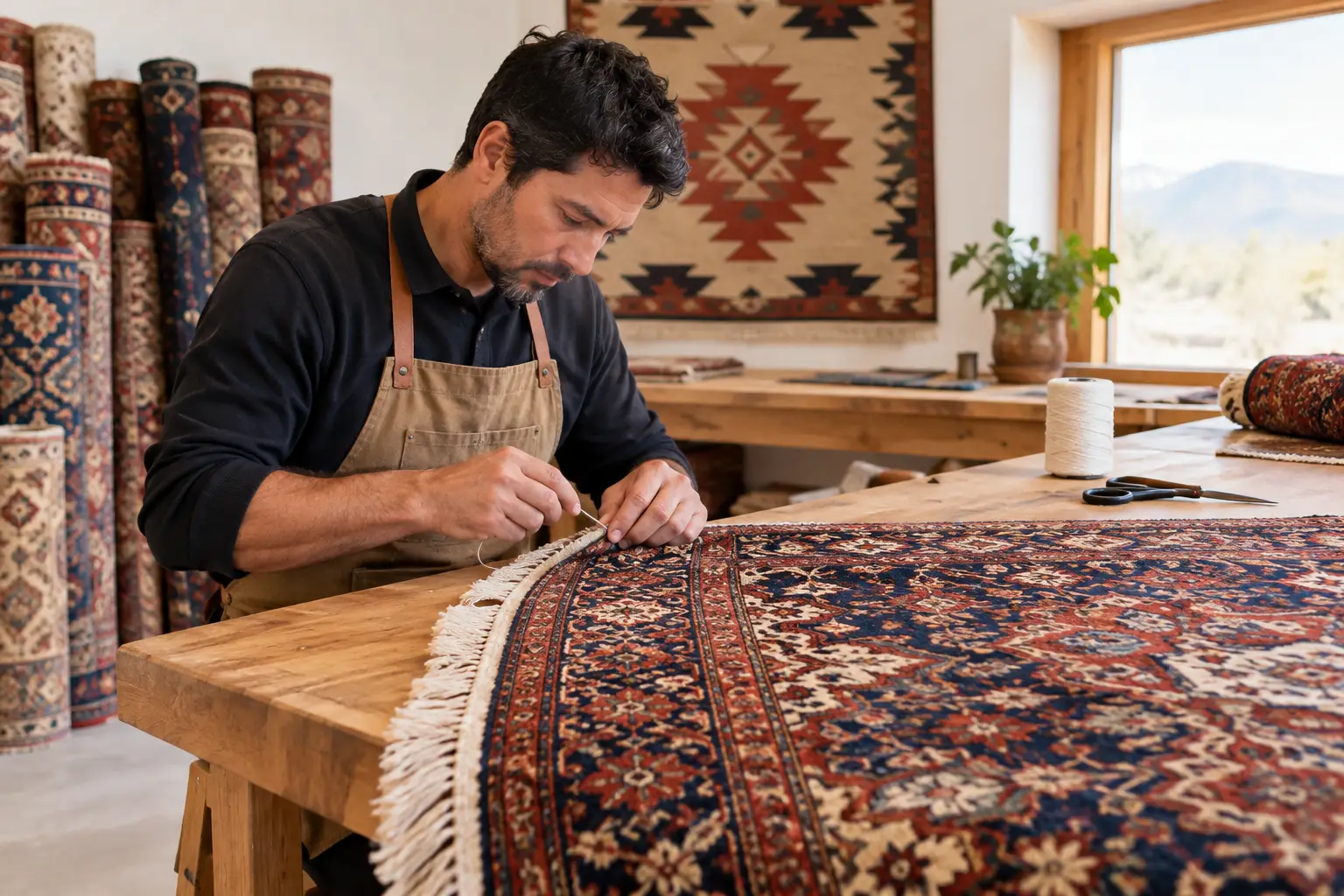
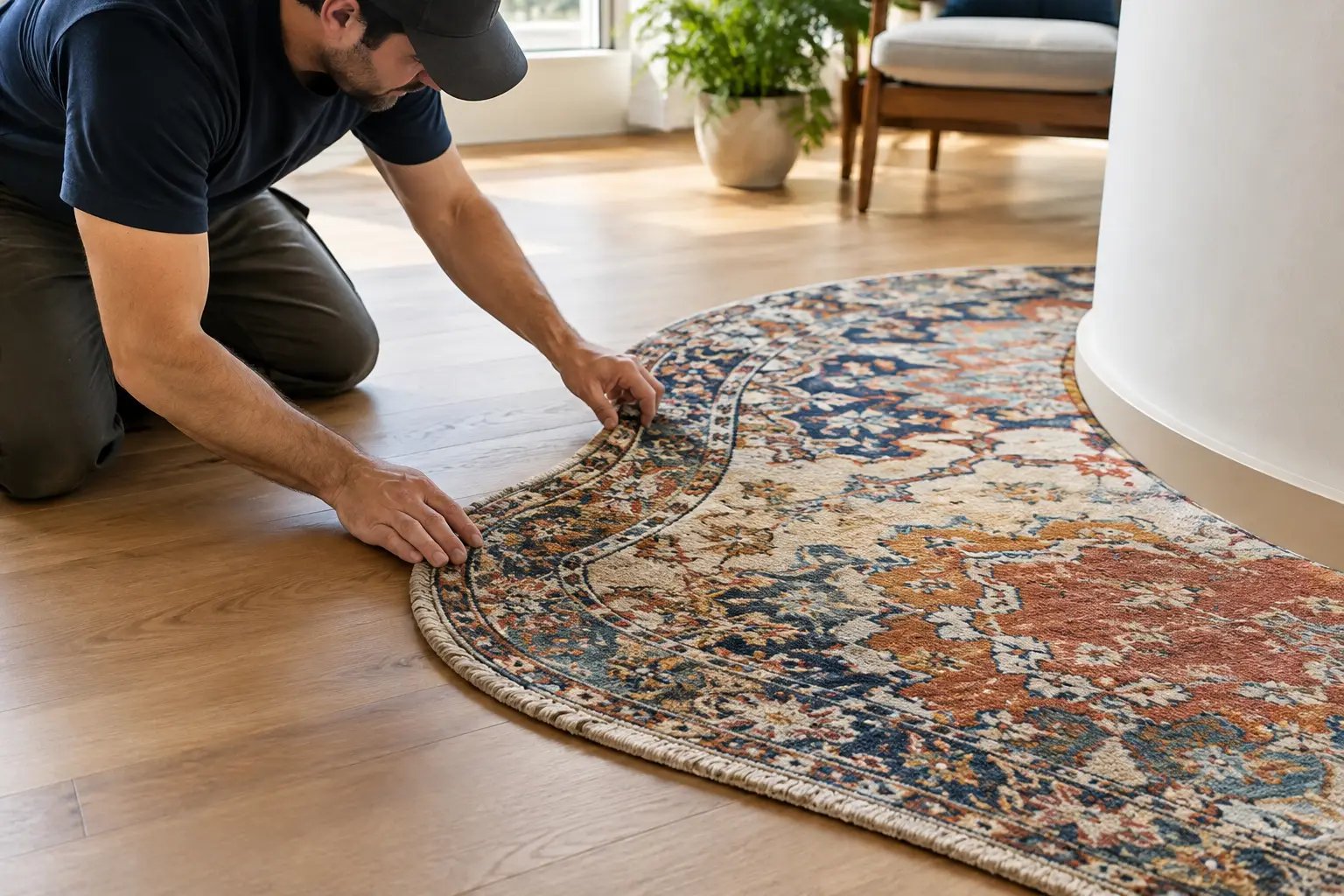
Look closely at the rug’s edges, fringe, and back. Loose side binding, exposed foundation threads, brittle fringe, thin traffic areas, and old repairs are all signs that the rug needs a careful plan. Water and movement can expose weaknesses that were less visible while the rug was dry.
A repair may need to happen before cleaning, especially if the rug could unravel during handling. In other cases, washing first helps reveal the true color and condition of the fibers so a repair can blend more naturally. The order depends on what the inspection finds.
Pet urine, moths, and hidden soil
Pet accidents are a common reason antique rugs need more than surface cleaning. Urine can travel through the face yarns into the foundation and backing materials. Treating only the top of the rug may leave odor-causing residue below, particularly in warm weather or when indoor humidity rises.
Moth damage calls for a different kind of attention. Cleaning can remove eggs, larvae, and food sources such as hair, dander, and spills, but existing fiber loss does not disappear in the wash. After cleaning, a specialist can assess whether worn areas, holes, fringe, or edges should be repaired.
Can I wash an antique rug at home?
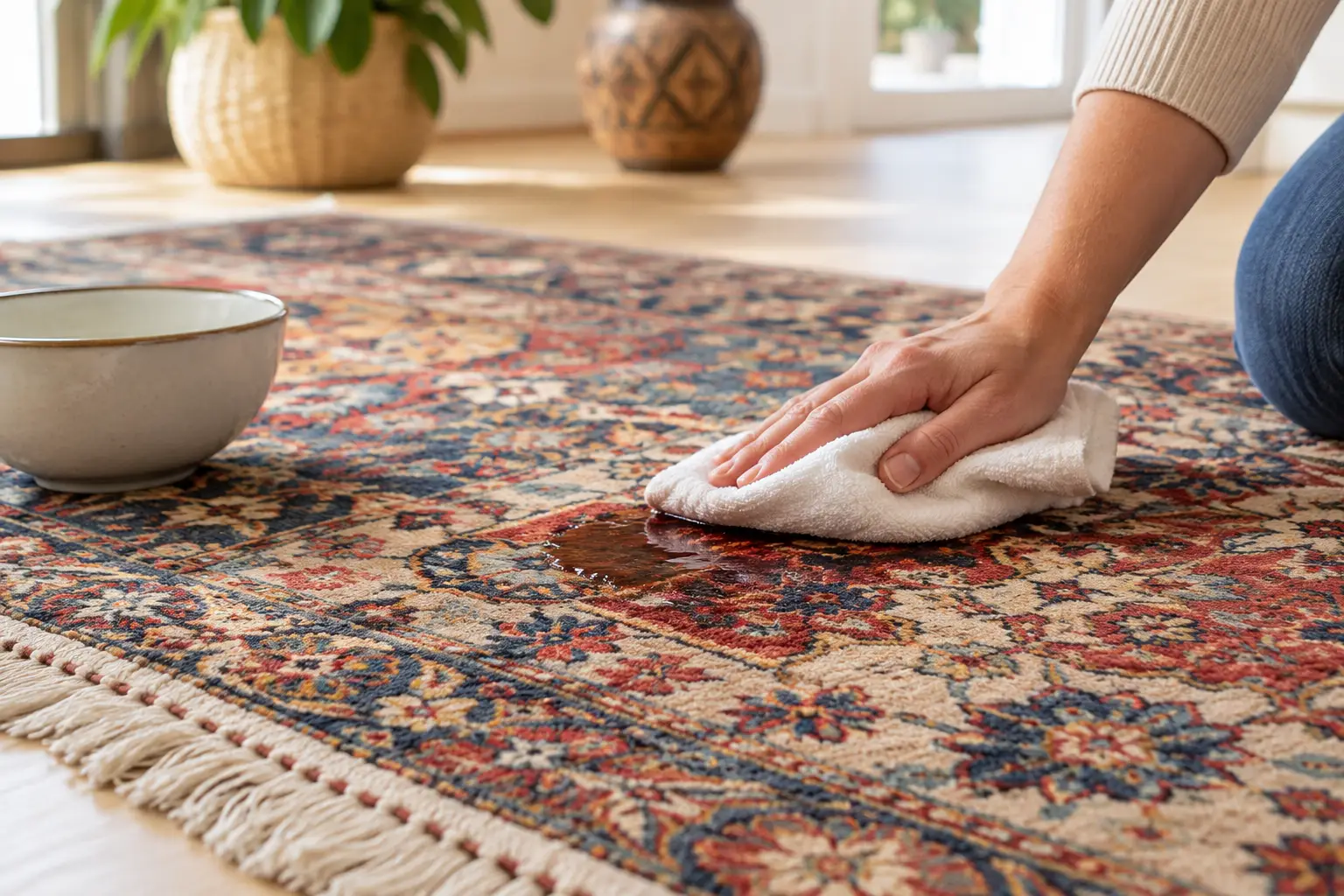
For routine care, homeowners can do a few useful things safely. Vacuum the rug with care, avoiding aggressive suction on fringe and loose edges. Turn the rug periodically so traffic and sun exposure are spread more evenly. If a drink spills, blot it promptly with clean white towels rather than rubbing the fibers.
A full home wash is different. Bath tubs, patios, driveways, rented machines, and spot-cleaning products do not provide the dye testing, controlled water use, thorough soil removal, or drying conditions an antique textile may need. A rug can look clean on the surface while holding moisture and detergent deep in its foundation.
Avoid applying household stain removers, bleach, vinegar mixtures, or powders to an antique rug without knowing how the dye and fiber will react. Some products leave a sticky residue that attracts more soil. Others can strip color or change the texture of wool and silk. If a spill is still damp, blotting and calling for advice is safer than experimenting.
How should antique rugs be cleaned professionally?
Professional cleaning should begin with inspection, not a one-size-fits-all machine. The rug is assessed for fiber type, hand-knotted or machine-made construction, dye stability, stains, odor, damage, and prior repairs. This step helps determine whether the rug can receive a full wash and what solutions and handling are appropriate.
At One World Rug Care, rugs are cleaned in the shop rather than with in-home equipment. Each rug is inspected and dye-tested, then thoroughly dusted before washing. Dusting matters because dry grit settles below the pile and acts like sandpaper as a rug is walked on. Washing a dusty rug without removing that grit first can leave abrasive soil behind.
When a full wash is appropriate, the rug is washed by hand in cool water using a material-specific method. Cool water helps reduce stress on fibers and dyes. Problem areas such as pet contamination, food spills, or old stains may need focused treatment, but no responsible cleaner can promise that every stain or odor will come out of every antique rug.
Drying is just as important as washing. Antique rugs should be dried thoroughly in a climate-controlled room, not left damp in a garage, on a patio, or over furniture. Controlled drying helps protect against mildew, browning, distortion, and uneven color changes. The total process may take several days because the rug needs to be cleaned, treated as needed, and fully dried before it is returned.
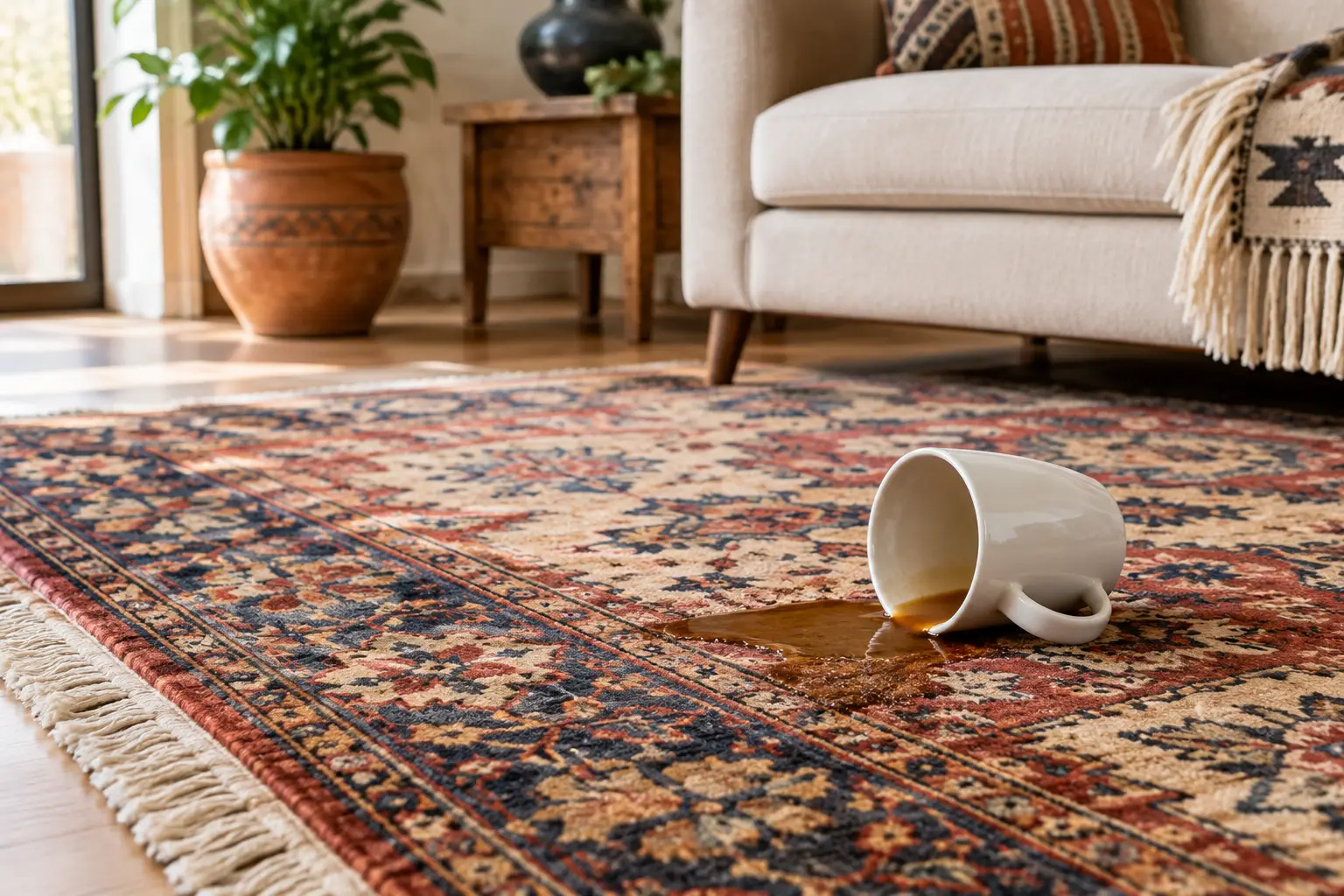
What should I do after a spill on an antique rug?
Act quickly, but keep the response simple. Lift solids gently with a spoon or dull edge, then blot liquid with clean white towels. Press down and replace the towel as it becomes wet. Do not scrub back and forth, since friction can spread the spill and roughen the pile.
Keep the rug flat. Hanging a saturated antique rug over a railing can stretch it, and folding it while damp can create color transfer or mildew. If the spill is oily, colored, acidic, or caused by a pet, arrange an inspection sooner rather than later. The longer a contaminant remains in wool or the foundation, the more difficult it can be to address safely.
When does an antique rug need repair instead of cleaning?
Cleaning and repair often work together, but they solve different problems. Washing can remove soil that hides weakened areas. It cannot replace missing wool, rebuild a fringe, secure an unraveling edge, or restore a hole caused by moths or wear.
Watch for fringe that is thinning or pulling away, edges that curl or open, exposed white or tan foundation threads, moth holes, and areas that feel noticeably thinner than the rest of the rug. These are good reasons to stop using the rug heavily until it is assessed. A rug pad can also make a meaningful difference by reducing sliding and cushioning the fibers from hard-floor wear.
For inherited rugs, a free verbal appraisal can help provide context before you decide whether to clean, repair, keep, sell, or donate the piece. Cleaning may reveal details that were obscured by soil, but the rug’s condition and construction should guide the decision.
How often should an antique rug be washed?
There is no fixed calendar for every antique rug. A rug in a quiet guest room may need professional cleaning far less often than one at a busy entry, beneath a dining table, or in a home with pets. Visible soil is not the only signal. Dull color, a gritty feel, recurring odor, and flattened pile can indicate that dust and residue have built up below the surface.
For many households, regular vacuuming and prompt spill care will protect the rug between professional cleanings. The goal is not frequent washing for its own sake. It is thoughtful care that removes damaging soil before it shortens the life of an heirloom.
Rug Care in Albuquerque and Northern New Mexico
Have a rug that needs care? One World Rug Care has been cleaning, repairing and protecting area rugs in Albuquerque since 2012. Email a few photos of your rug to admin@oneworldrugcare.com for a free estimate, call us at (505) 821-0302, or visit the shop at 7200 Jefferson St NE, Suite A, Monday to Saturday 9 to 5. Pickup and delivery is free in Albuquerque and Santa Fe on orders of $150 or more, and available in Taos, Durango, Pagosa Springs and Las Cruces.